A Practical Guide to Choosing a UPI App for Daily Payments
A UPI app can make everyday payments simpler by allowing users to transfer money, scan merchant QR codes, pay bills and manage routine transactions from a mobile device. Since these apps are used frequently, choosing one should involve more than checking which interface looks easiest to use.
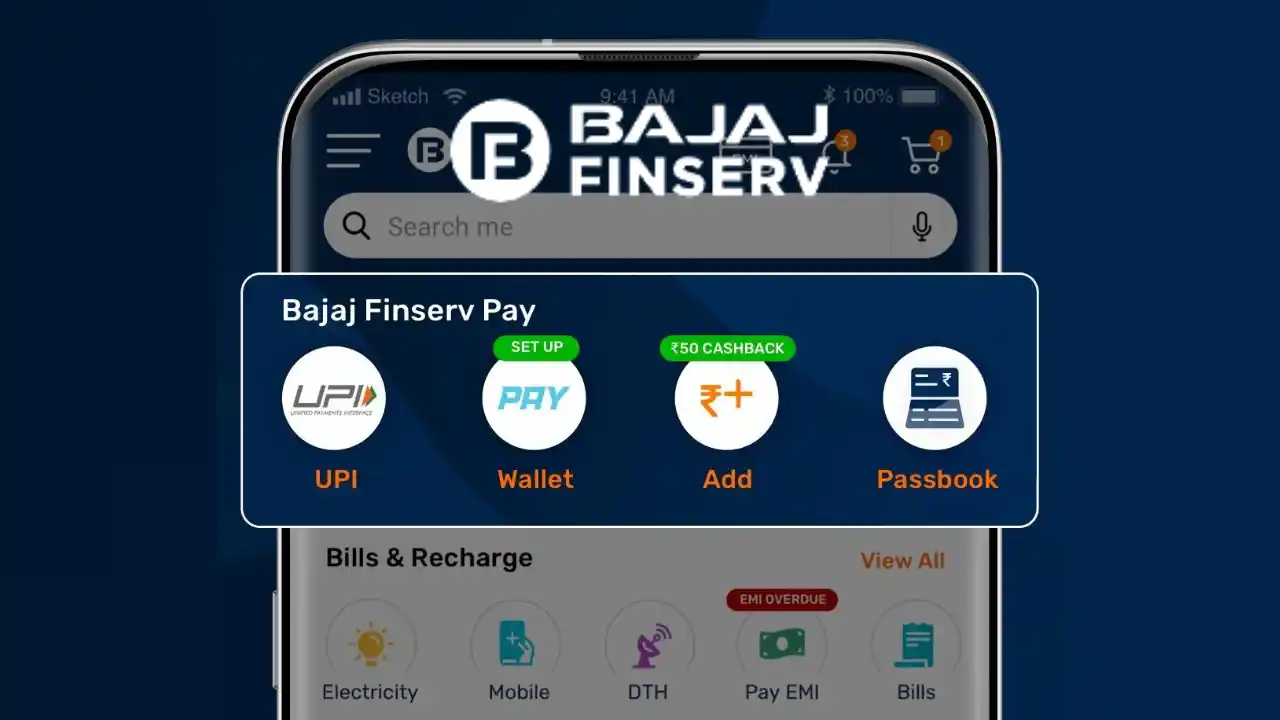
People who already manage other financial products through a loan app may also prefer a digital payment experience that keeps important financial activities easy to track. However, a UPI app should still be evaluated on its own merits, including security, payment reliability, transaction visibility and ease of use.
The best choice is generally the app that supports daily payments clearly and securely without making routine money management unnecessarily complicated.
Start With the Payments You Make Most Often
Different users rely on UPI for different reasons.
Some mainly scan QR codes at shops, while others use UPI for utility bills, online purchases, mobile recharges or transfers to family and friends. Understanding the most common use case can make it easier to decide which features matter most.
For someone who makes several small merchant payments every day, quick QR scanning and clear transaction confirmation may be important. A user who relies more on bill payments may care more about reminders and access to previous payment records.
The app should fit the actual payment routine rather than simply offer a long list of features.
The Interface Should Stay Simple During Regular Use
A UPI app may be opened several times in a single day, so the payment process should be easy to understand.
Frequently used actions such as scanning a QR code, entering a UPI ID or checking transaction history should be straightforward to locate.
Too many unnecessary steps can make simple payments feel more complicated than they need to be.
A clean interface is especially useful when confirming important details such as the recipient name and payment amount before entering the UPI PIN.
Look for Clear Confirmation Before Every Payment
Payment speed is useful, but accuracy is more important.
Before authorising a transaction, users should be able to clearly see who will receive the money and how much is being sent.
A useful payment flow should make the following information easy to verify:
- Recipient or merchant name
- Payment amount
- Payment purpose, where applicable
- Linked bank account
- Final transaction status
These checks help reduce mistakes, particularly when users are paying a new merchant or transferring money to an unfamiliar UPI ID.
Transaction History Should Be Easy to Follow
UPI transactions can add up quickly because many payments are relatively small.
A clear transaction history allows users to review where money has gone and confirm whether a particular payment succeeded.
This becomes useful when someone cannot remember whether a bill was paid or when a merchant asks for a payment reference.
Transaction history can also support budgeting. Looking back at a week or month of digital spending may reveal patterns that are difficult to notice at the time of each purchase.
A Good UPI App Should Make Status Easy to Understand
Not every transaction completes instantly.
Occasionally, a payment may show as pending or fail because of network issues, bank-side problems or other temporary disruptions.
When that happens, the app should clearly communicate the transaction status rather than leaving the user uncertain about whether money has been transferred.
Users should avoid immediately repeating a pending payment unless they have first checked the status carefully.
This can reduce the risk of paying the same amount twice.
Security Should Be Treated as a Core Feature
Since a UPI app is connected to bank accounts and financial transactions, security deserves as much attention as convenience.
Users should maintain basic protections such as:
- Keeping the phone locked with secure authentication
- Using only official app versions
- Never sharing a UPI PIN
- Avoiding payment links from unknown senders
- Checking recipient details before approval
- Updating the app when official updates are available
A UPI PIN should be entered only to authorise a payment or another legitimate transaction that requires it. It should never be shared directly with another person.
Be Careful With Requests to “Receive” Money
Fraudulent payment requests can sometimes create confusion by suggesting that users need to enter a PIN in order to receive funds.
Users should pause whenever someone asks them to authorise an unexpected transaction.
A genuine incoming payment generally should not require the recipient to reveal a PIN to another person.
If a request looks unusual, it is safer to stop the transaction and independently verify the sender.
Urgency should not override basic payment checks.
Multiple Bank Accounts Can Improve Flexibility
Some users operate more than one bank account for different purposes.
A UPI app that supports eligible multiple bank accounts can make it easier to choose which account should be used for a particular payment.
For example, someone may keep household spending in one account and savings or other funds in another.
Using separate accounts can also support budgeting if the user deliberately chooses which account funds everyday transactions.
However, users should always confirm the selected account before authorising a payment.
Bill Payments Can Be Easier to Organise Digitally
UPI apps may also support eligible bill payments for services such as electricity, mobile, broadband and other utilities.
This can reduce the need to visit multiple payment portals.
Users who rely heavily on this feature should look for a clear biller selection process, visible due amounts and easy access to payment history.
It can also help to review bills before payment instead of approving them automatically.
A sudden increase in a utility bill may be worth checking before the transaction is completed.
Daily Spending Should Still Follow a Budget
The ease of UPI payments can make small purchases feel insignificant.
A ₹100 payment here and a ₹250 payment there may not seem large individually, but frequent transactions can build into a meaningful monthly amount.
Users can control this by setting a rough spending limit for categories such as food, transport or entertainment.
Reviewing transaction history once a week can help identify whether those limits are being exceeded.
Digital convenience should make money easier to manage, not easier to lose track of.
Avoid Keeping More Money Available Than Necessary for Spending
Some users prefer to maintain a dedicated account for regular UPI expenses.
This can make budgeting simpler because only a planned amount is available for daily transactions.
For example, a household may transfer a fixed amount into a spending account at the start of the month while keeping savings and emergency funds separate.
This structure is optional, but it can help people who find it difficult to distinguish between available balance and genuinely spendable money.
The main objective is to protect money reserved for other commitments.
Check Whether Bill and Payment Reminders Are Useful
Reminders can help users who have multiple recurring obligations.
An app that provides notifications for supported bills or scheduled financial tasks can reduce the chance of missing important payments.
However, reminders should be treated as a support tool rather than the only system for money management.
Users should still know their major due dates and maintain enough balance in advance.
A missed notification should not become a missed payment.
Payment Reliability Matters More Than Extra Features
Many financial apps compete by adding multiple features, but the core payment experience should remain the priority.
For a UPI app, the essential questions are simple:
- Can payments be initiated easily?
- Are recipient details clear?
- Is the transaction status visible?
- Can previous payments be reviewed?
- Are support options available when something goes wrong?
Additional features can be useful, but they should not distract from the reliability of everyday payments.
A feature-rich app is not automatically a better payment app.
Customer Support Becomes Important When a Transaction Fails
Most UPI payments may complete without any issue, but users still need a clear support path when something goes wrong.
A failed, pending or disputed transaction can become frustrating if there is no obvious way to understand the next step.
Users should know how to access official help through the app or associated payment provider.
They should avoid relying on phone numbers or support links found in random online posts or unsolicited messages.
Using official channels is especially important when financial information is involved.
Keep Payment Receipts for Important Transactions
For small routine purchases, transaction history may provide enough information.
For larger payments, users may prefer to retain a payment reference or digital receipt until the recipient confirms that the amount has been received.
This can be useful for rent, education fees, larger merchant purchases or important bill payments.
Organised records make disputes easier to resolve and reduce dependence on memory.
They can also be useful when tracking significant monthly expenses.
A UPI App Should Fit Into Broader Money Management
UPI is a payment mechanism, not a complete financial plan.
Users still need to consider savings, insurance, investments, EMIs and emergency funds separately.
A person who makes every payment successfully through UPI can still face financial pressure if overall spending is too high.
This is why digital payment activity should be reviewed as part of the monthly budget.
The app provides the transaction tool; the user still decides how much should be spent.
Conclusion
Choosing a UPI app for daily payments comes down to reliability, clarity, security and ease of tracking transactions. Users should look for straightforward payment flows, clear recipient information, visible transaction status and useful records rather than judging an app only by the number of additional features it offers.
UPI should also remain part of a broader financial routine that includes budgeting, savings and careful borrowing. If an unexpected requirement leads someone to consider an instant loan app, the borrowing decision should be evaluated separately on affordability, applicable costs and repayment capacity rather than simply because digital access makes the process convenient.